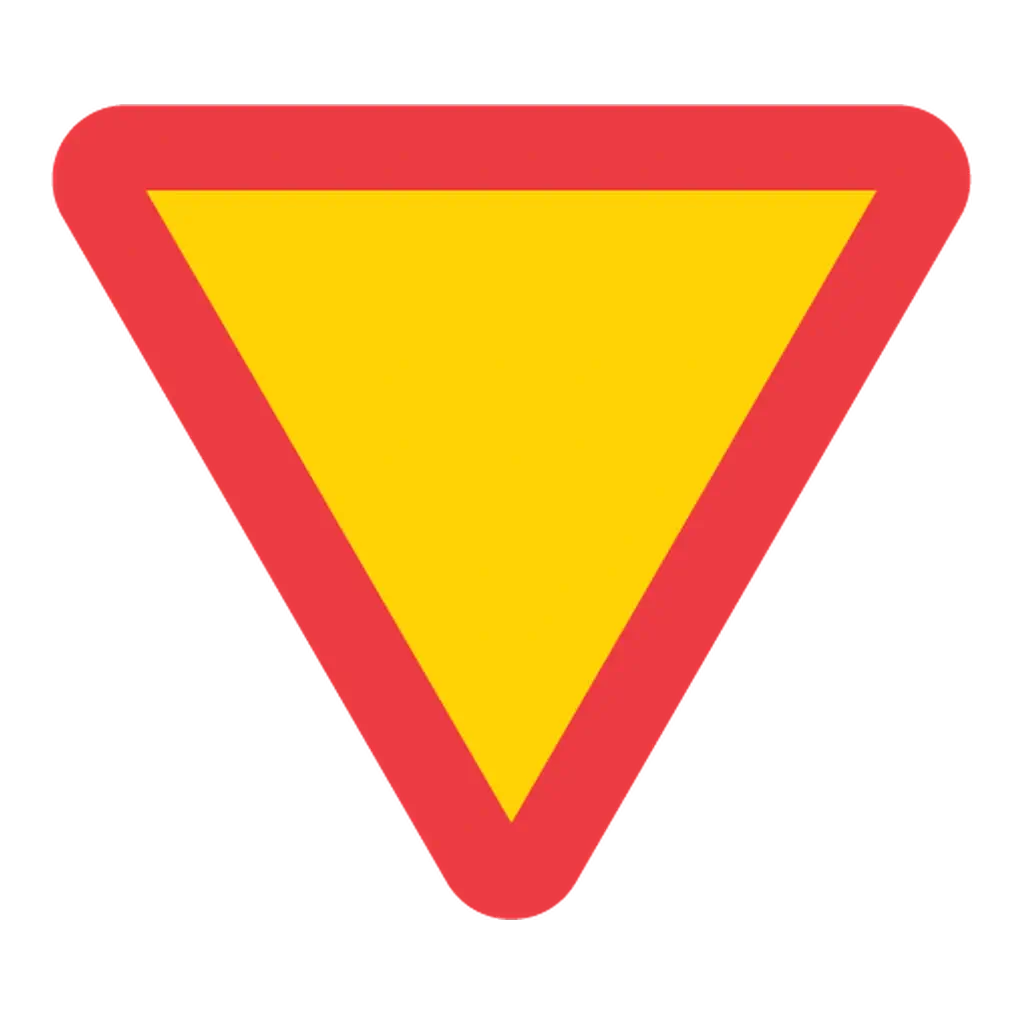
Give way
B1 · Väjningsplikt
When you approach a junction, you must give way to vehicles on the intersecting road. Show in good time that you are giving way by reducing your speed or stopping. You only need to stop if necessary, for example if you cannot see that the road is clear or if you would otherwise obstruct traffic on the intersecting road. A supplementary panel (T2) may show the distance to the give-way sign.
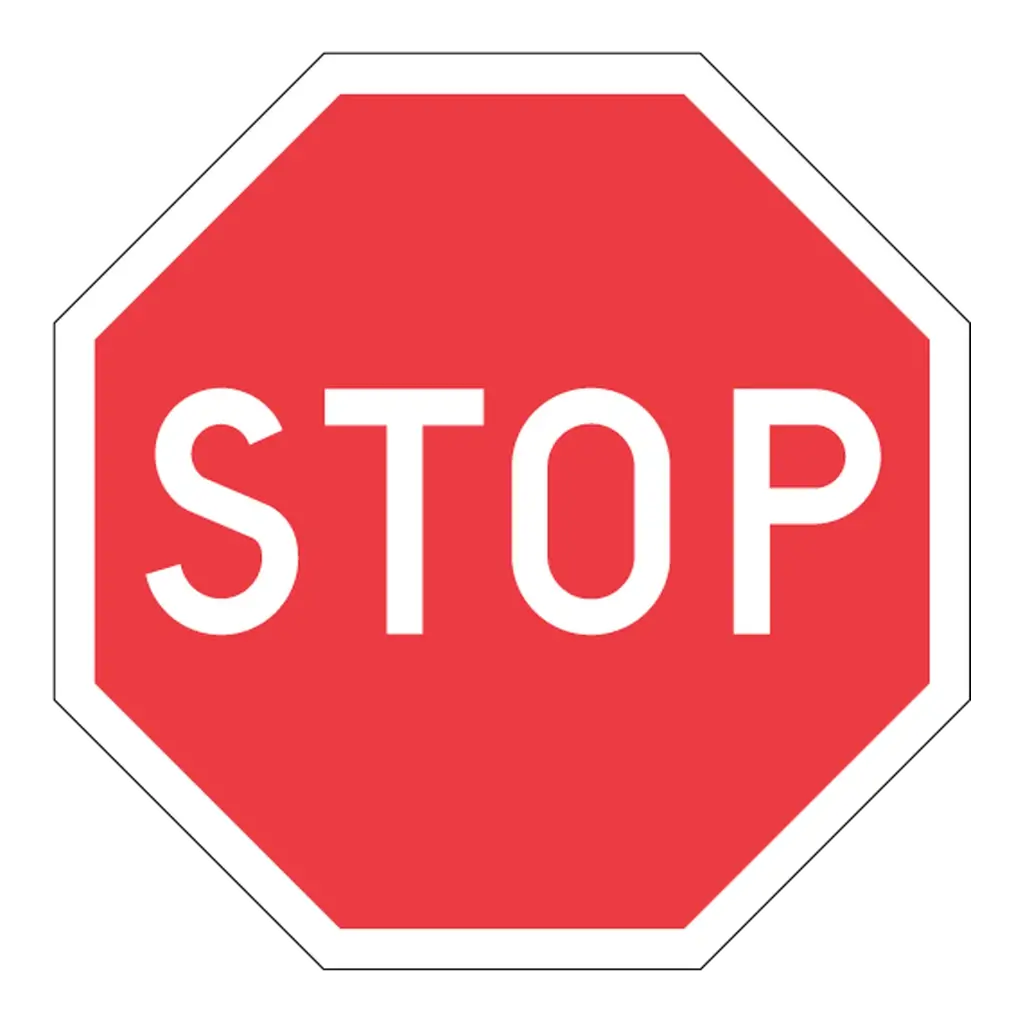
Stop
B2 · Stopp
You must come to a complete stop before entering the intersecting road, even if no other traffic is visible — stopping is mandatory regardless of the traffic situation. Stop at the stop line if one is marked, otherwise immediately before the junction, then give way to all vehicles on the intersecting road. Supplementary panel T14 is used when all approaches to the junction carry a stop obligation.
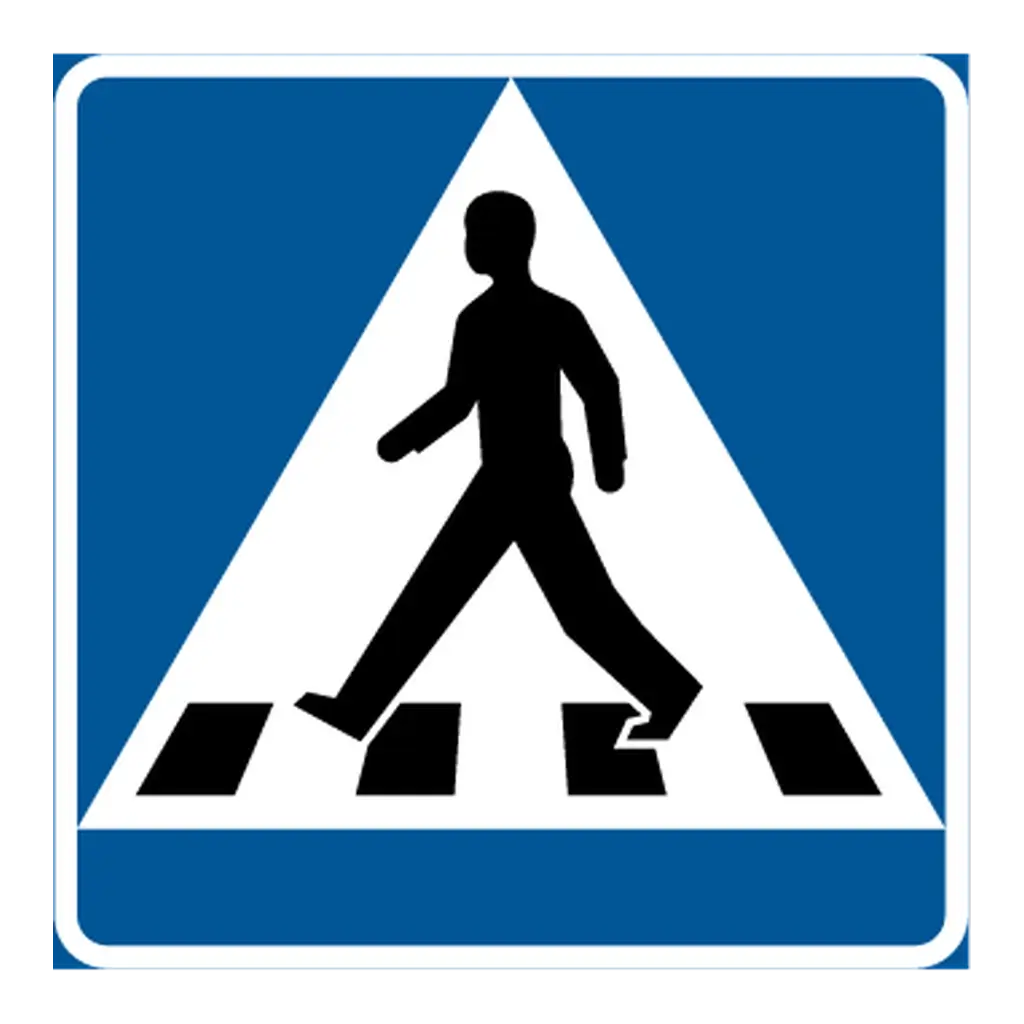
Pedestrian crossing
B3 · Övergångsställe
Marks a signposted pedestrian crossing ahead. You must give way to pedestrians who are on the crossing or about to step onto it (the 'zebra law', zebralagen, of 2000), and you must adjust your speed so they can cross safely. Giving priority is a legal duty at crossings that are not controlled by traffic lights.

Priority road
B4 · Huvudled (prioriterad väg)
The road you are on is designated as a priority road (huvudled); vehicles coming from all connecting side roads must give way to you. Parking is prohibited on a priority road; stopping to let passengers on or off or to load or unload goods is allowed. The sign is repeated after each junction; your priority applies until you see B5 (end of priority road).
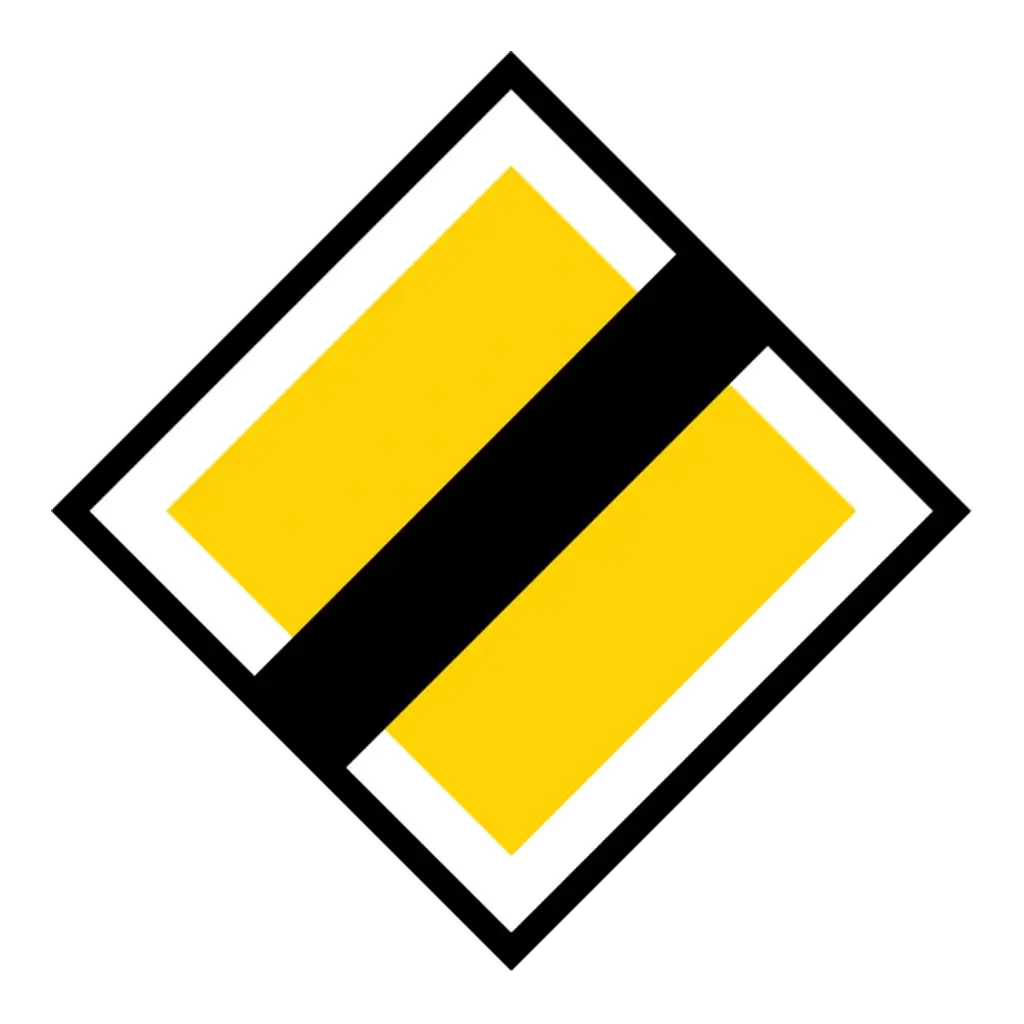
End of priority road
B5 · Huvudled upphör
The priority road ends here and the right of way granted by B4 no longer applies. Unless other signs indicate otherwise, the right-hand rule (högerregeln) takes effect, meaning you must give way to vehicles approaching from the right; additional give-way or stop signs may also be posted. Reduce your speed when approaching the next junction and check the side roads.
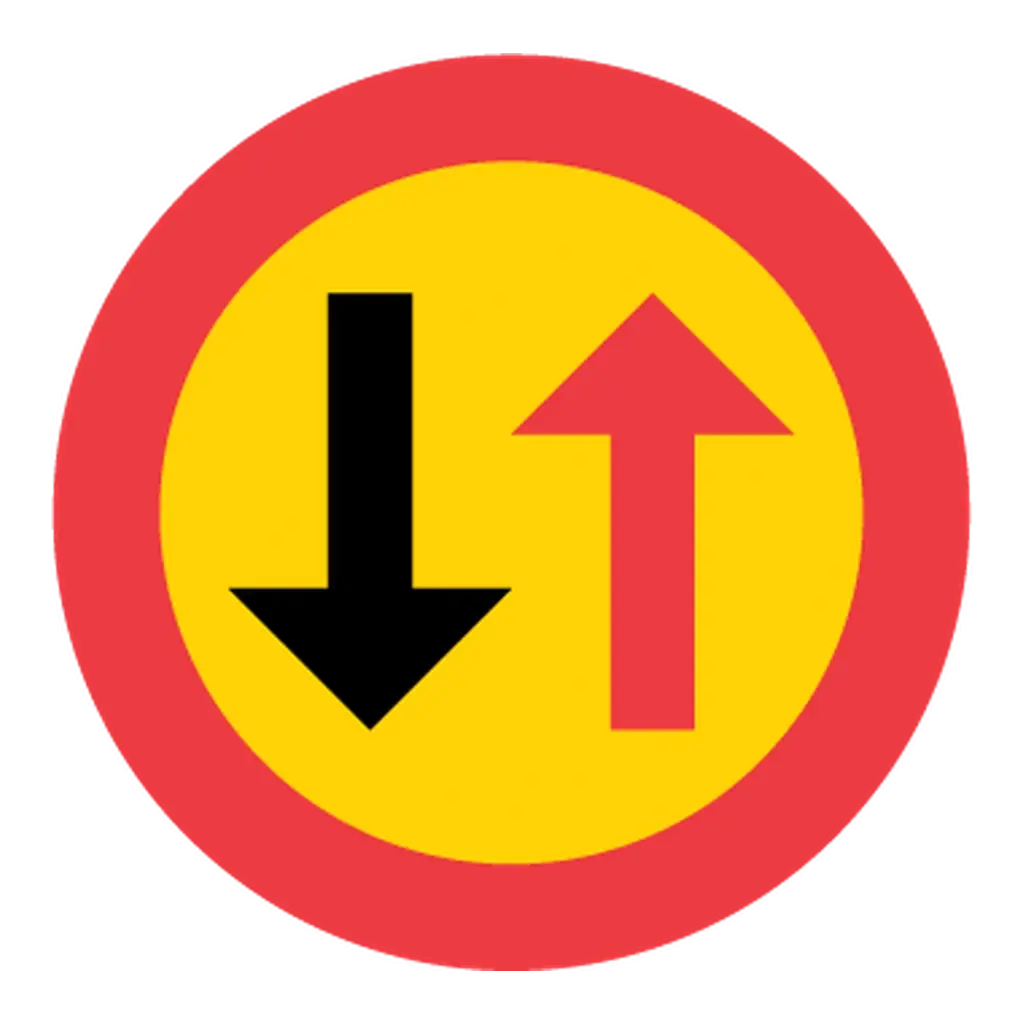
Yield to oncoming traffic
B6 · Väj för mötande trafik
The road ahead is too narrow for oncoming traffic to pass, and you must give way to oncoming vehicles. Reduce your speed before the narrow section and, if a vehicle is approaching, stop at a suitable place and let it pass. The red arrow on the sign shows your direction of travel and the black arrow shows oncoming traffic, which has priority.
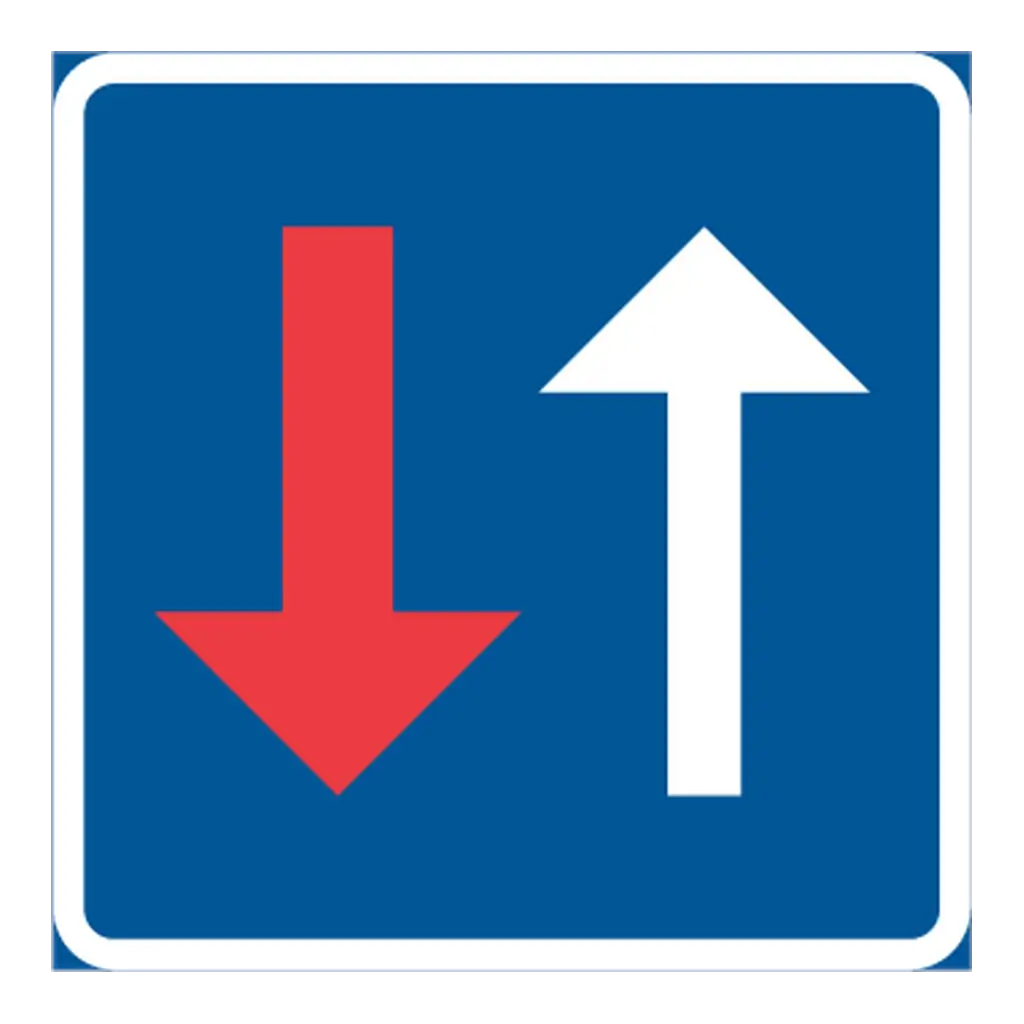
Priority over opposing traffic
B7 · Företräde framför mötande trafik
You have priority over vehicles coming from the opposite direction through the narrow section ahead. Proceed carefully and ensure the way is clear. The white arrow on the sign shows your direction of travel, and the red arrow shows the oncoming direction, which must yield.
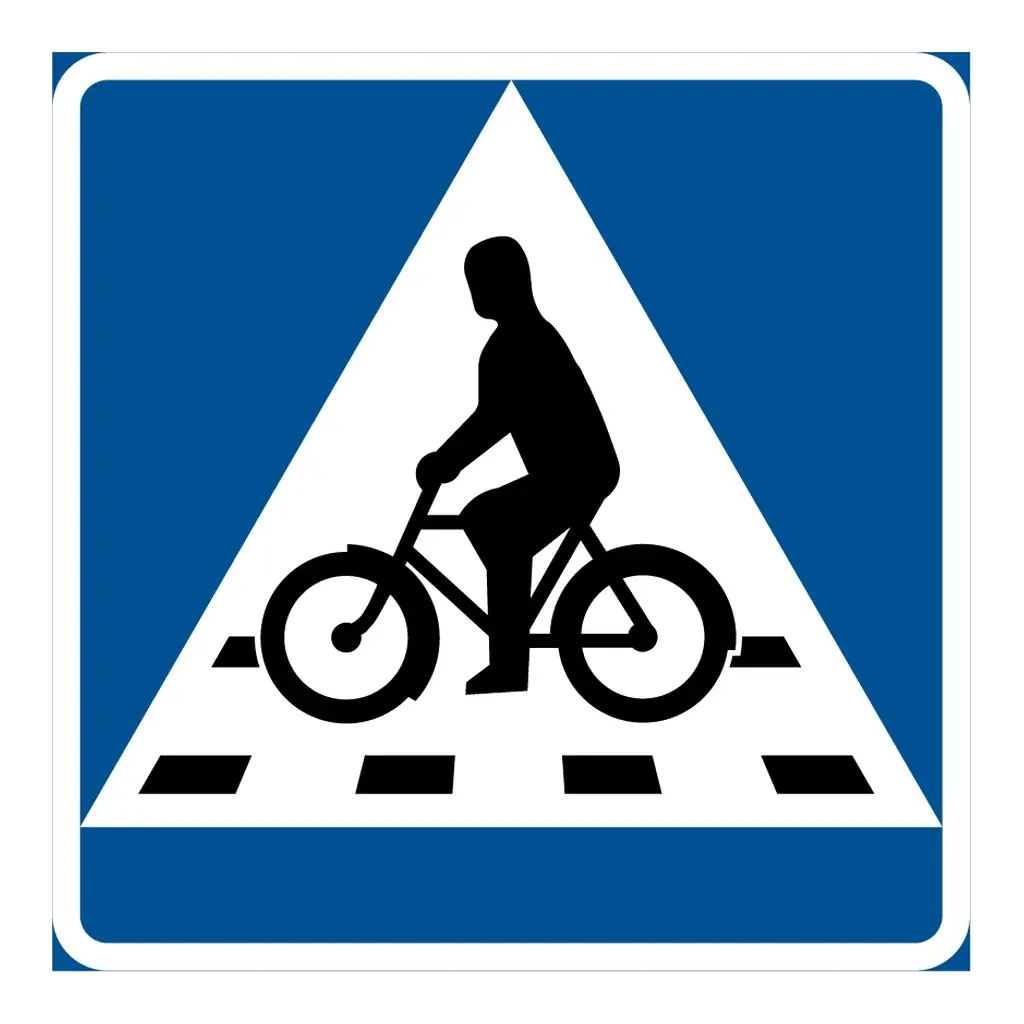
Cycle crossing (drivers must give way)
B8 · Cykelöverfart (med företräde)
Marks a signposted cycle crossing (cykelöverfart) ahead. You must give way to cyclists and class II moped riders who are on the crossing or about to enter it, and you must reduce your speed when approaching (Swedish Road Traffic Ordinance (Trafikförordningen), chapter 3, section 61 a). Unlike a plain cycle passage (cykelpassage), which is only road-marked, a cykelöverfart grants cyclists legal priority over motor vehicles.