Definition: The brake system (bromssystem) is the most critical safety system that allows the driver to slow down or stop the vehicle. Swedish regulations require vehicles to always have a fully functioning brake system; a brake failure is a direct cause for rejection at inspection.
How the brake system works
Hydraulic brake system: Used in the vast majority of modern vehicles. When the brake pedal is pressed, the master brake cylinder (bromscylinder) transmits hydraulic pressure through brake lines to all four wheels. The pressure reaching each wheel forces the brake pad against the disc or drum via the brake caliper, slowing the vehicle through friction.
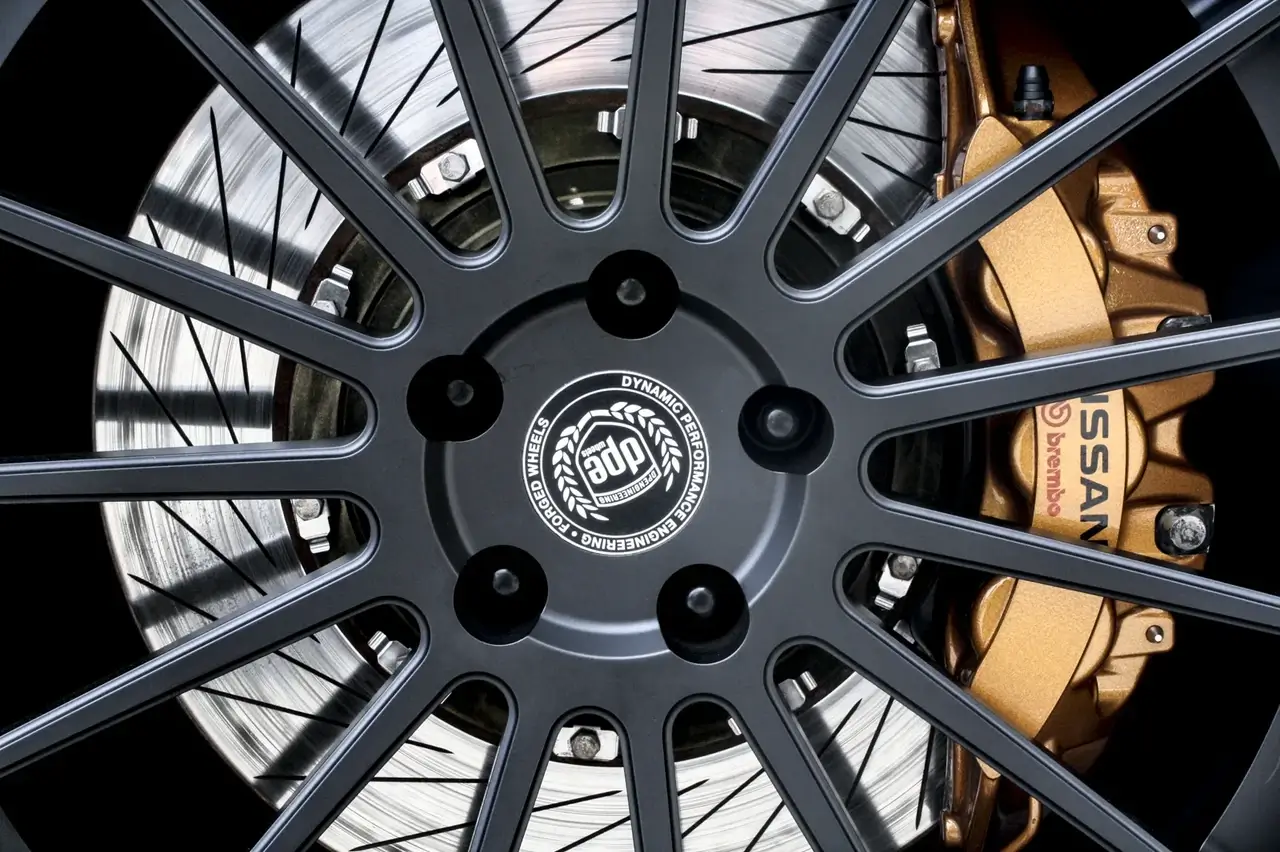
Disc brake (skivbroms): Standard on front wheels, and common on all four wheels in modern vehicles. Provides better cooling and more consistent braking performance. As the brake disc wears, grooves and vibrations appear.
Drum brake (trumbroms): Used on the rear wheels of some vehicles. Simpler but less efficient; more prone to overheating under heavy use.
Brake booster (bromservon): Uses engine vacuum or an electric pump to multiply the force applied to the pedal. When the engine is off (in the event of a fault or in electric vehicles), significantly more pedal force is required to brake.
ABS (Antilock Braking System)
ABS prevents the wheels from locking up during emergency braking. When a wheel locks, steering control is lost; ABS prevents this, allowing the driver to both brake and manoeuvre at the same time. When ABS is active, you will feel vibration and hear noise through the pedal — this is normal, keep pressing the pedal. A common misconception is that ABS stops the vehicle in a shorter distance than braking without it; the benefit of ABS is that it maintains steering control while braking.
Handbrake / parking brake
Used to keep the vehicle stationary when parked. Usually mechanically connected to the rear wheels. Some modern vehicles have an electronic parking brake (EPB). Always apply the handbrake or activate the EPB when parking on a slope.
Brake maintenance and warning signs
Brake noise: When brake pads wear out, a metallic sound is produced — this indicates it is time for replacement.
Longer braking distance: May be a sign of pad or disc wear, or a hydraulic fluid leak.
Pedal sinking close to the floor: Hydraulic pressure may be low or air may have entered the system — go to a garage immediately.
Brake warning light: The red brake warning light on the instrument panel illuminates when the brake fluid level drops or when the handbrake is applied.
Wet brakes: After driving through deep puddles, the brakes may remain wet and temporarily lose gripping capacity. Dry the pads by applying the brakes gently a few times.
Common mistakes
Pumping the brake pedal (which was valid for vehicles without ABS): In modern vehicles with ABS, pressing firmly and continuously is more effective.
Holding the brakes continuously on a long descent: This overheats the brakes and can cause brake fade. On descents, use engine braking combined with short bursts of braking.
Not checking the brake fluid level: It must remain between the min and max lines beneath the reservoir cap.
Tips
Brake pads should be checked every 30,000–50,000 km — this varies depending on the vehicle and driving conditions.
Test the brakes with the engine off: The pedal becomes much stiffer — a good reminder that more force is needed to brake.